Comparing tax burdens across jurisdictions is an impossible task. A high property tax rate is meaningless if you have an exemption from paying the tax. Regardless, let’s compare some common taxes in three state jurisdictions with different property tax levies.
|
Maryland |
California |
Tennessee |
|
|
Levies property tax |
Yes |
Capped |
Yes |
|
Sales tax |
6.00 |
7.25 |
7.00 |
|
Corporate Income tax |
8.25 |
8.84 |
6.50 |
|
Registering used car, $25,000 purchase price (approx) |
1,945 |
2,241 |
1,837 |
|
One gallon regular-grade gasoline as of today |
$4.45 |
$6.75 |
$4.14 |
|
Income tax bracket on $155,000/year, joint filing |
5.5% |
9.3% |
None |
Based on this superficial survey, it sure looks like California has a higher tax burden than Maryland or Tennessee. That’s not entirely fair.
California caps increases in property taxes. A home’s assessed value can increase no more than 2% a year, and the tax rate is about 1% on the assessed value. The implication is that long-term homeowners become an entitled class. The longer they live in a home, the less of the tax burden they pay, even though they benefit equally from the same state and local services as their next-door neighbors. To make up for lost revenue, California applies excessive sales, income, or user taxes.
(Again, California’s excessive taxes are probably caused both by long-term homeowners dodging their responsibility and by funding wasteful socialist programs for the rich.)
The point here is that capping one tax, everything else being equal, results in another tax being higher. They do not mitigate a government’s appetite for more spending to “fully fund” public schools, build bike lanes, and buy back leaf blowers. The budgets increase, the taxes go up, and those taxes are increasingly paid by underserved or younger residents.
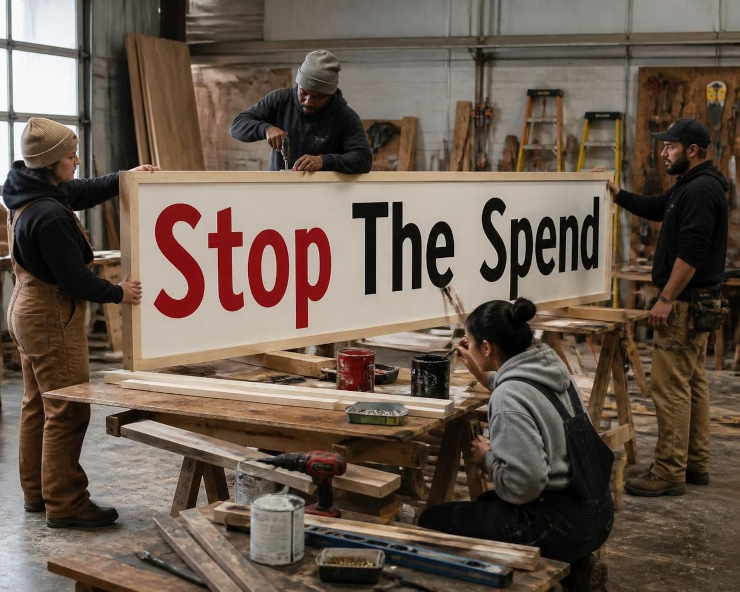
Stop The Spend avoids that distortion by capping increases in spending. The county’s budget cannot increase faster than the rate of inflation without a unanimous vote of the County Council. By extension, everyone’s tax bills are capped, not just those of a favored or aggressive demographic.
Circulators will soon start collecting signatures to get Stop the Spend on the November 2028 ballot. Contribute, sign the petition, and support the cause at www.controlmocospending.com.