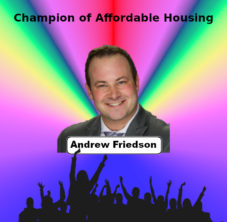

The last attempt at zoning reform was ZTA 19-01, introduced by former council member Hans Riemer. The highlight of that reform was a blanket approval allowing homeowners to build accessory dwelling units (ADU) on their properties (subject to constraints). That reform did almost nothing to alleviate the cost of housing, so council members Andrew Friedson and Natali Fani-González took an additional step to rezone limited corridors for higher density housing (again subject to constraints).
Friedson and Fani-González have been working hard, and taking a lot of political risk, to implement this reform. The fact that they took the lead on this issue and got the amendment passed entitles them to boatloads of praise.
It’s still unknown if this reform will foster a meaningful increase in the number of affordable housing units within the next five years. My guess is that it will help, certainly more than ZTA 19-01, but it may not help enough. The amendment is 29 pages long with reams of tables, constraints, incentives, and specifications. Any legislation with this extent of minutiæ will restrict the flow of housing to those who need it most. A truly meaningful increase in affordable housing requires a complete liberalization of land use. Nevertheless, we’ll take our free-market victories wherever and whenever we can.
The big disappointment on the council’s vote on this amendment came from dissenters Jawando, Mink, and Katz. Jawando and Mink have exhibited time and time again how heartless they are when it comes to denying resources to the underserved. Fortunately they were in the minority on this zoning amendment. Let’s hope that in the coming years all their efforts to perpetuate the underserved’s poverty will suffer similar defeats.