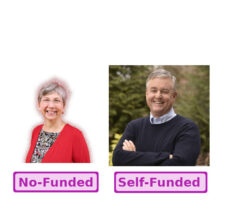

Montgomery County offers public funding for county council and county executive campaigns. One objective of public funding is to give outsider candidates access to funds only available to the insiders. Typically the candidates who secure public financing say they want to be free of special interests such as “developers.”
Here are the high-level faults with this arrangement:
- All the candidates saying they are not owned by developers are exactly the candidates who have created our horrific housing shortage. A pro-development candidate would have avoided this outcome.
- Public financing does not address the problem of the teachers’ union coronating the winners, and the concessions candidates gladly make to secure that coronation.
- The “outsiders” who get the funding are hardly outsiders. They are often longtime, multi-term incumbents.
- Public financing means that we the taxpayers are funding campaigns that we do not necessarily support.
Regarding the last objection, there is a secondary problem. If we are forced to fund campaigns, then those candidates must be required to explain why we should support them in the first place. In an astonishing expression of entitlement, the publicly funded candidates often refuse to have open debates against their opponents. Julie Yang and Will Jawando, both deep insiders, took public campaign funding but refuse to debate their opponents Reardon Sullivan and Esther Wells.
The entire institution of publicly funded campaigns is coercion and manipulation that must be reformed and made voluntary—as it is at the federal level. Until that time comes, let’s have the candidates who have no problem taking funds from their opponents do us the favor and face their opponents in an honest debate.