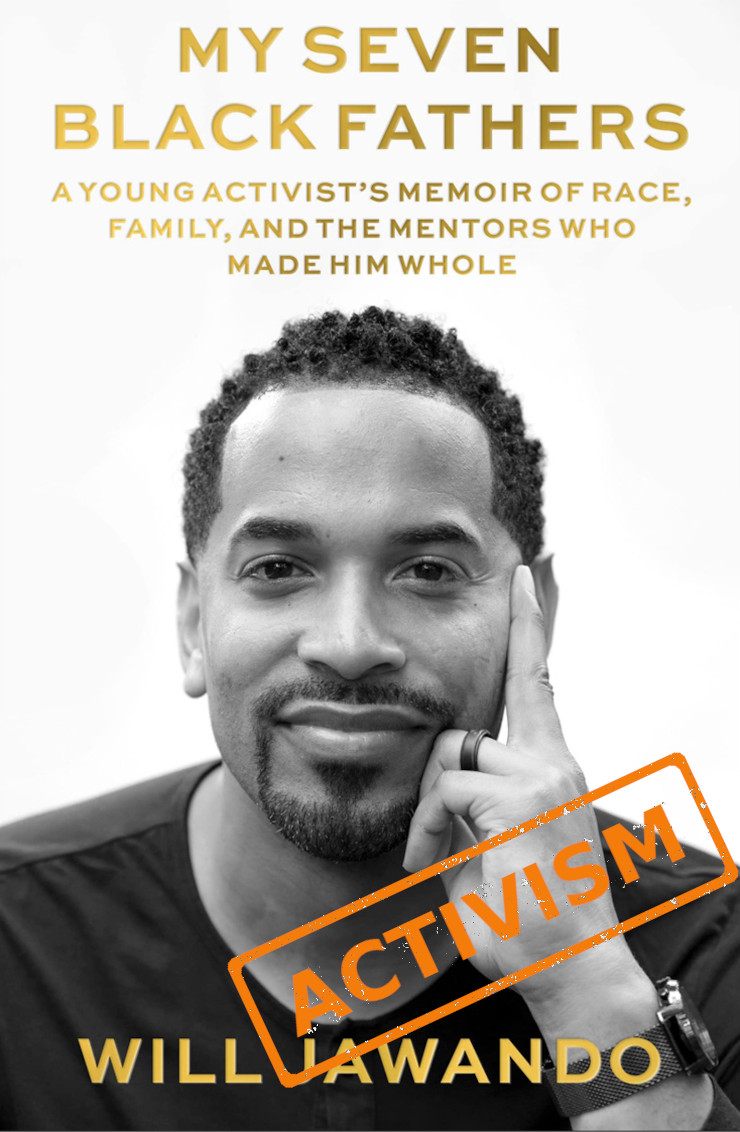
In chapter 6 of My Seven Black Fathers, Will Jawando describes his struggle to improve the lot of service workers at Catholic University. He noticed how terribly the service workers were treated—by students, managers, and administration. He sought to open a chapter of the NAACP that would represent those workers. A social-justice sociology professor, Dean Hoge, agreed to sponsor Jawando’s effort. They were able to get a meeting with CU’s administration, during which CU stated they would not allow an NAACP chapter because of, among other reasons, the organization’s pro-life position that conflicted with longstanding Catholic teaching. Hoge walked out of the meeting saying, “This will not look good for the university” (p. 169). He tipped off the New York Times and the Washington Post about CU’s refusal. As the negative publicity avalanched, CU capitulated and authorized an NAACP presence on the campus.
I my mind, everyone involved in this sequence of events behaved terribly. First, CU denied the NAACP authorization because of a conflict with doctrine. Fair enough, but that does not relieve them of addressing the problem of workers’ conditions. (Jawando correctly calls their response “disingenuous.”) The administration’s response should have been, “We’ll pass on the NAACP, but here is our plan to improve the workers’ conditions. You can be on the oversight committee.” That would have been a win-win outcome: the workers benefit and CU doesn’t have to compromise its pro-life position.
Second, Professor Hoge comes across as someone who struggles with critical thinking. His classroom reading list included a book by G. William Domhoff “who argues that corporate power is bedrock to how American life is structured and a barrier against social change” (p. 166). If you want an example of stupid, Domhoff’s thinking is the paradigm. In the past two generations, the biggest changes in American social life have been due to social media, all of which is built, maintained, and advanced by large corporations. Before social media we had clunky personal computers, automobiles, and railroads—all of which engendered enormous social change and were unleashed by corporate power.
Furthermore, Hoge acted as a maximalist bully: you don’t do what I tell you, so I’ll make sure you are punished. A better response would have been, “NAACP isn’t acceptable? OK, what can you do to improve worker conditions?” Furthermore, were Hoge sincere, he would have offered to give of himself (time, money) to improve worker conditions. Instead, Hoge, and almost every other American liberal arts professor, made a very comfortable living off student loans and “research” grants that provided very little in the way of honest research while fostering for themselves tenure and a sense of entitlement.
Third, although he behaved much better than the previous two parties, Jawando himself comes up short. He doesn’t mention if the workers’ conditions have indeed improved since the NAACP won representation rights. Has their pay increased? Is management more flexible with desperately needed time off? Do the students treat the service employees any better? Who are the winners here, and who are the losers?
In this episode, and in so many others since joining the County Council, Jawando shows he is effective in identifying a festering injustice, getting legislative or administrative buy-in, and mandating solutions—all of which are valuable skills when addressing structural problems in a peaceful manner. However, I’m not sure the solutions he mandates actually address the motivating injustice (example). He’s not alone, of course; many politicians are great at legislation and setting up bureaucracies, but don’t report back on results.